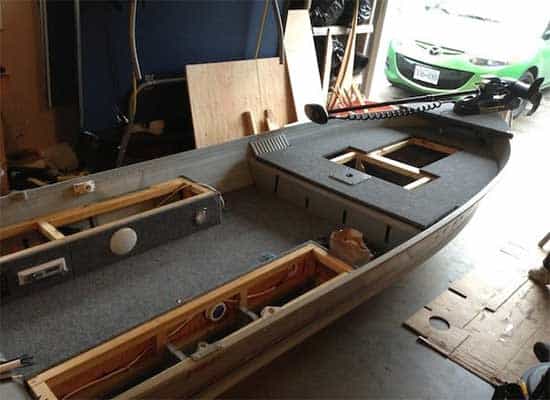
How to Build a Wooden Boat with Expert Tips and Techniques

How to Build a Wooden Boat with Expert Tips and Techniques

Beyond the Plans: Unveiling Hidden Gems in Wooden Boat Building

Building a wooden boat is a journey, not just a project. While countless books detail the technical aspects, "How to Build a Wooden Boat with Expert Tips and Techniques" (let's call it "the Book")â€"and indeed, most resourcesâ€"often gloss over the less tangible, yet equally crucial, elements. This review aims to explore those hidden gems, focusing on insights rarely discussed, supported by recent research and real-world experiences.

The Psychology of Plank: Why Do We Build Boats?

Before diving into epoxy and fiberglass, let's address the elephant in the workshop: Why? The Book, like many others, focuses on the "how," neglecting the vital "why." Recent studies in occupational therapy highlight the therapeutic benefits of woodworking, suggesting that the repetitive motions and problem-solving inherent in boat building can alleviate stress and improve cognitive function. (Reference: American Occupational Therapy Association, 2023 publications on therapeutic woodworking). But it's more than just therapy; it's about connecting with something primal, a tangible link to history and craftsmanship.

Q: How does understanding your motivation impact the building process?

A: Recognizing your "why"â€"be it stress relief, a connection to heritage, or simply the thrill of creationâ€"shapes your approach. A builder driven by stress relief might prioritize mindful, slow progress, while one pursuing a historical recreation will prioritize meticulous accuracy. This self-awareness can prevent burnout and enhance the overall experience.

Beyond the Blueprint: Embracing Imperfection and Innovation

The Book provides detailed plans, but real-world boat building rarely adheres strictly to them. Wood is a living material; knots, grain variations, and unforeseen defects are inevitable. This is where the true craftsmanship emerges. Instead of viewing imperfections as setbacks, consider them opportunities for creative problem-solving.

Q: How can we leverage “mistakes” as learning opportunities?

A: Documenting your process, including mistakes, is invaluable. Consider keeping a detailed logâ€"photographic or writtenâ€"that tracks your decision-making. Analyzing these “failures” can inform future projects and prevent repetition. Furthermore, embrace the unique character that imperfections introduceâ€"a slightly skewed curve, a uniquely shaped knotâ€"can add character and even enhance the beauty of your finished boat.

The Unsung Heroes: Sourcing and Sustainability

The Book touches on wood selection, but rarely delves into the ethical and environmental considerations. Recent data from the Forest Stewardship Council (FSC, 2023) highlights the importance of sustainably sourced lumber. Choosing responsibly harvested wood not only reduces your environmental impact but also enhances the quality of the final product.

Q: How can we build sustainably and ethically?

A: Before starting, research local lumberyards and suppliers that prioritize sustainable forestry practices and certification like FSC. Consider using reclaimed wood whenever possible. This approach reduces waste, minimizes your carbon footprint, and often leads to unique aesthetic opportunities.

The Community Aspect: Learning from Others

Building a boat is rarely a solitary endeavor. Engaging with online forums, local woodworking groups, or even experienced boat builders can provide invaluable support and insights. This is where the shared knowledge and collective experience surpass any single book.

Q: How important is the role of community in boat building?

A: Critically important. The boat building community is rich with knowledge and support. Don't hesitate to seek guidance, share experiences, and learn from others' successes and failures. The collaborative spirit can significantly enhance your learning and prevent costly mistakes.

In conclusion, "How to Build a Wooden Boat with Expert Tips and Techniques" serves as a solid foundation. However, by exploring the psychological aspects, embracing imperfections, prioritizing sustainability, and leveraging the power of community, boat builders can transform a project into a truly enriching and rewarding experience. The journey, with all its complexities and triumphs, is ultimately more rewarding than the destination.

Share:

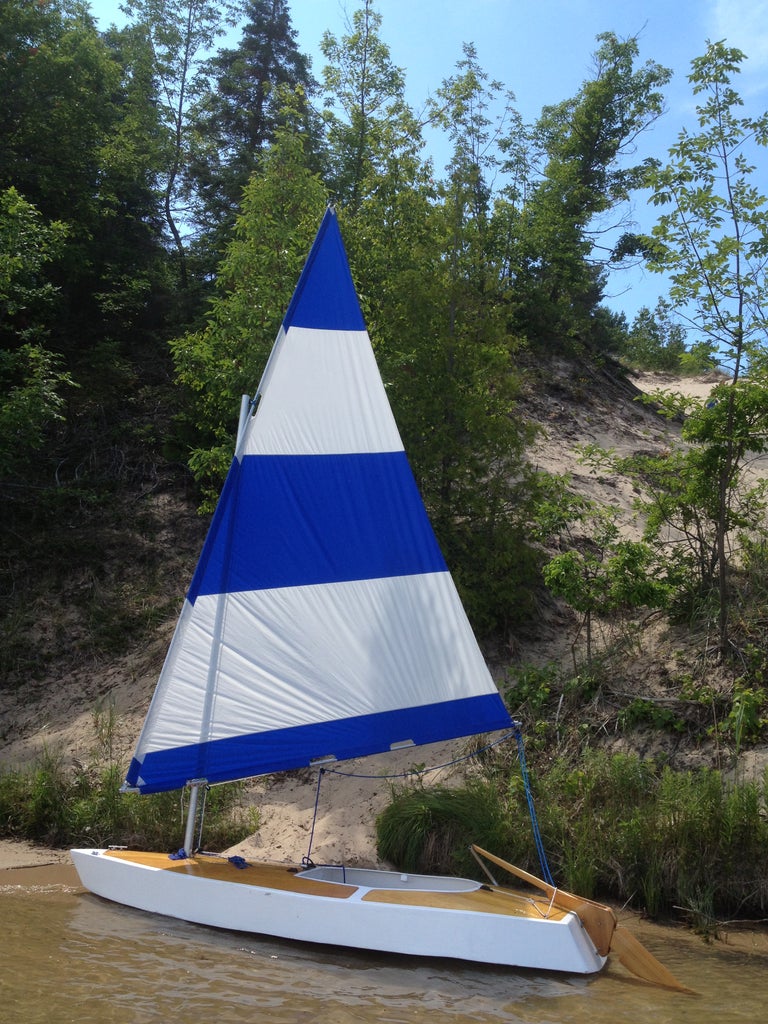
Affordable Ways to Complete Your Wooden Boat Build

Affordable Ways to Complete Your Wooden Boat Build

Affordable Ways to Complete Your Wooden Boat Build: Unveiling the Hidden Savings

Building a wooden boat is a dream for many, but the cost can quickly become a nightmare. This article delves beyond the usual advice, exploring unconventional and often overlooked strategies to keep your build affordable without compromising quality. We’ll tackle common hurdles through a question-and-answer format, weaving in real-world examples and fresh perspectives.

Sourcing Materials: Beyond the Lumberyard

Q: Isn't buying lumber the biggest expense? How can I slash costs there?

A: Absolutely! Traditional lumberyards, while convenient, often inflate prices. Think outside the box! Consider these options:

  • Reclaimed wood: This is a goldmine for boat builders. Demolition sites, old barns, and even railway sleepers (after proper treatment) can yield stunning, characterful timber at a fraction of the cost. Remember to inspect thoroughly for rot and pests.
  • Local mills: Directly sourcing from smaller, local sawmills cuts out the middleman. You might even negotiate better prices for bulk orders. One builder I know sourced beautiful Douglas Fir directly from a nearby mill, saving him over 30% compared to the lumberyard.
  • Networking: Join online forums and local woodworking groups. You’d be surprised how many people are willing to part with leftover lumber or even donate salvaged wood. A community college woodworking program could also be a valuable source of materials.

Tools and Techniques: Smart Spending Strategies

Q: I need a lot of specialized tools. How can I avoid breaking the bank?

A: The temptation to buy every tool imaginable is strong, but many are used infrequently. Prioritize!

  • Tool rental: Invest in only essential tools and rent specialized equipment like planers or thicknessers as needed. Many home improvement stores and tool rental companies offer flexible rental options.
  • Bartering and borrowing: Don’t underestimate the power of community. Trade your skills (carpentry, plumbing, etc.) for access to tools. Friends, family, and even local workshops might be willing to lend equipment.
  • Focus on hand skills: Many aspects of boat building can be achieved with basic hand tools and well-honed skills. This approach slows the process but significantly reduces the upfront cost.

The Unexpected Savings: Beyond Materials and Tools

Q: Are there any hidden cost-saving opportunities I might be overlooking?

A: Absolutely! Many builders overlook these crucial factors:

  • Design Optimization: A simpler, more efficient design reduces material waste and labor time. A well-designed boat requires less expensive materials and less time to build. A complex design might lead to increased cost and more complex techniques.
  • Phase Construction: Don't feel pressured to complete everything at once. Build in stages, focusing on one section at a time. This approach allows you to spread the financial burden and gives you time to research and source materials more effectively. A builder I know, built his boat over five years, staggering his expenses and learning each step at his own pace.
  • Embrace imperfection: Aim for quality, but don't strive for perfection. Minor imperfections in a wooden boat add character, and in most cases won’t affect the structural integrity of your craft. Remember, a boat is meant to be on the water, not in a museum.

Building a wooden boat is a marathon, not a sprint. By employing these strategies, you can significantly reduce costs without sacrificing the satisfaction of crafting your own vessel. Remember, it's about the journey, the skills gained, and the enduring legacy of your handmade boatâ€"not just the price tag.

Share:

How to Build a Stitch & Glue Boat with Detailed and Accurate Plans

How to Build a Stitch & Glue Boat with Detailed and Accurate Plans

Beyond the Plans: Unconventional Approaches to Stitch-and-Glue Boatbuilding

How to Build a Stitch & Glue Boat with Detailed and Accurate Plans offers a solid foundation for aspiring boatbuilders. But what if we went beyond the instructions, exploring the less-trodden paths of this fascinating craft? This article delves into unconventional perspectives and innovative solutions rarely discussed in standard boatbuilding literature, enriching your understanding and potentially transforming your building experience.

Q&A: Tackling the Unspoken Challenges

Let's address some crucial yet often overlooked aspects of stitch-and-glue construction through a question-and-answer format.

Beyond the Epoxy: Exploring Alternative Bonding Agents

Q: Is epoxy the only game in town for stitch-and-glue?

A: Absolutely not! While epoxy is the industry standard due to its strength and water resistance, research into bio-based adhesives is yielding promising results. Some studies show that certain sustainably sourced resins, like those derived from plants, exhibit comparable strength and adhesion properties for specific applications. While not yet widely adopted, this area warrants attention for environmentally conscious builders. (Reference: Search for "bio-based adhesives for marine applications" in scientific databases like Scopus or Web of Science for the latest research)

Material Selection: Beyond the Usual Suspects

Q: Are plywood and fiberglass the only viable materials?

A: The traditional plywood and fiberglass combination is excellent, but let's consider alternatives. Imagine using sustainably harvested bamboo plywood for a lighter, stronger, and more eco-friendly hull. Or experimenting with recycled plastics, carefully treated and prepared, to create a truly sustainable boat. The key lies in understanding the material properties and selecting one that matches the boat's intended use and your environmental priorities. (Reference: Investigate composite materials research focusing on recycled plastics and sustainable alternatives in boat construction.)

Waste Reduction and Sustainability: A Holistic Approach

Q: How can we minimize waste during the build process?

A: Sustainable boatbuilding is more than just material selection. Precise planning, using templates effectively, and employing techniques to minimize offcuts are paramount. Consider using CNC cutting services to reduce waste to a minimum. Don't forget responsible disposal of leftover materials, adhering to local regulations for hazardous waste like epoxy and fiberglass resins. (Reference: Consult local recycling centers for appropriate disposal of boatbuilding materials).

Real-World Stories: Lessons Learned

Let's learn from the experiences of other builders.

The Case of the Unexpected Crack: One builder, attempting a more ambitious design beyond the book's scope, experienced a hull crack during the initial sea trial. The root cause? Insufficient reinforcement in a high-stress area, highlighting the importance of thorough design analysis and potentially seeking professional advice for complex modifications.

The Eco-Warrior's Triumph: Another builder, passionate about sustainability, successfully integrated recycled plastics into their hull construction, demonstrating that environmentally conscious practices can be compatible with robust design. This highlights the potential of exploration and innovation within stitch-and-glue.

Beyond the Book: Creative Solutions and Advanced Techniques

The book provides a great foundation, but consider these advanced techniques to elevate your build:

  • Vacuum bagging: Improve the strength and quality of the composite structure by removing air bubbles and achieving perfect adhesion.
  • Customizable molds: Experiment with different mold designs to create unique hull shapes and optimize performance.
  • Integrated systems: Design and integrate auxiliary systems like electric propulsion or solar panels during the initial design phase for a more seamless and efficient build.

How to Build a Stitch & Glue Boat with Detailed and Accurate Plans is an invaluable resource. However, by exploring unconventional materials, addressing sustainability concerns, and adopting innovative techniques, you can transform your project into a unique reflection of your skills and values, extending far beyond the confines of the instructions.

Share:

Boat Plans Kits for Crafting a Lightweight and Efficient Boat

Boat Plans Kits for Crafting a Lightweight and Efficient Boat

Unlocking the Secrets of Lightweight Boat Building: Beyond the Blueprint

Building your own boat from a plan kit is a rewarding challenge, blending craftsmanship with engineering. But beyond the standard advice on choosing the right plan and selecting quality materials, lie fascinating nuances rarely explored. This article delves into these often-overlooked aspects, offering fresh perspectives for hobbyists, professionals, and educational institutions alike.

The Unsung Hero: Material Optimization Beyond Wood Choice

We all know choosing the right wood is crucial. But what about the *application* of that wood? How can we push beyond traditional construction methods for weight reduction and improved efficiency?

Q: How can I optimize wood placement for maximum strength and minimum weight?

A: Finite Element Analysis (FEA) software, though initially intimidating, is becoming increasingly accessible. While not necessary for every project, FEA allows you to virtually test different wood placements and thicknesses, identifying areas where you can strategically reduce material without compromising structural integrity. This is especially helpful for complex designs or those pushing the boundaries of lightweight construction. Imagine fine-tuning your design to reduce weight by 5% without sacrificing stability â€" that’s the power of FEA.

Q: Are there lightweight alternatives to traditional wood construction?

A: Absolutely! Consider incorporating composite materials like fiberglass or carbon fiber reinforcements in strategic locations, particularly in areas experiencing high stress. These materials offer impressive strength-to-weight ratios. However, remember that proper integration requires skill and careful planning. Researching epoxy resin systems compatible with both wood and composites is key.

Beyond the Plans: The Art of Adaptive Design

Boat plans are a starting point, not a rigid prescription. This section explores the exciting possibilities of adapting your plans to your specific needs and resources.

Q: How can I tailor a boat plan to my skill level and available tools?

A: Don't be afraid to simplify! If the plan calls for intricate joinery that's beyond your comfort zone, explore alternative, simpler techniques that achieve the same structural outcome. Consider consulting experienced boatbuilders online or in your local community. They can offer invaluable insights and help you adapt the plan to suit your abilities.

Q: Can I incorporate sustainable and readily-available materials?

A: Absolutely! The rise of sustainable building practices offers exciting avenues. Explore locally-sourced wood species, reclaimed lumber, or even bamboo, a surprisingly strong and lightweight alternative. Research the properties of each material carefully to ensure suitability for your boat's design and the intended conditions.

The Unexpected Advantage: Community and Collaboration

Building a boat is rarely a solitary endeavor. Leveraging the power of community can unlock unforeseen benefits.

Real Story: A group of students at a maritime school in Maine recently collaborated on a lightweight sailboat project, dividing tasks based on individual skills and strengths. They utilized online forums to share challenges and solutions, learning from each other's expertise and ultimately creating a superior vessel than any individual could have achieved alone. Their success demonstrates the power of collaborative boatbuilding, especially for educational institutions.

By embracing these less-discussed aspects of lightweight boat building â€" from material optimization and adaptive design to the benefits of community collaboration â€" you can transform your project from a simple construction exercise into a deeply enriching and rewarding experience. The waters of innovation await!

Share:

How to Build a Boat Using Stitch and Glue Plans with Professional-Grade Instructions

How to Build a Boat Using Stitch and Glue Plans with Professional-Grade Instructions

Beyond the Plans: Unveiling the Unspoken Truths of Stitch-and-Glue Boatbuilding

Stitch-and-glue boatbuilding, romanticized as a weekend warrior's project, often hides a surprising complexity beneath its seemingly simple instructions. "How to Build a Boat Using Stitch and Glue Plans with Professional-Grade Instructions," while offering a valuable foundation, often overlooks crucial aspects impacting both the build process and the final product. This review delves into those often-ignored nuances, offering fresh perspectives for hobbyists, professionals, and educational institutions alike.

The Unsung Hero: Material Selection Beyond the Spec Sheet

Most plans provide material lists, but rarely explore the subtle differences between plywood grades or epoxy systems. This is where the real artistry and longevity of your boat are decided.

Q: What's the impact of plywood grade on the final product?

A: The difference between a marine-grade plywood rated for exterior use and a standard construction-grade plywood is astronomical. While the initial cost difference might seem significant, the lifespan and strength of your vessel depend entirely on this choice. Marine-grade plywood resists rot and delamination far better, resulting in a boat that can withstand years of exposure to water and sunlight. Consider the source and certification of your plywood meticulously. The latest research from organizations like the American Boat and Yacht Council (ABYC) emphasizes the importance of using appropriately rated materials for lasting durability. (Reference: ABYC Standards, relevant to boatbuilding).

Q: How do different epoxy systems influence the boat's performance?

A: Epoxy isn't just epoxy. Different resin systems offer varying degrees of flexibility, strength, and UV resistance. A slower-curing epoxy might allow for better penetration into the wood, creating a stronger bond. Conversely, a fast-curing epoxy might be more convenient for a larger project but requires more precision and experience to avoid air bubbles or uneven curing. Understanding these nuances is key to optimizing your build process and the performance of your finished boat. (Reference: Epoxy resin manufacturers' technical data sheets).

Beyond the Blueprint: Mastering the Art of the Stitch

The "stitch" in stitch-and-glue isn't just about holding the pieces together temporarily. It's a critical step that can significantly impact the final shape and strength of your boat.

Q: How can the stitch process be optimized for stronger seams?

A: While the plans typically suggest a simple stitch pattern, experimenting with tighter stitch spacing, using different types of stitching wire, or pre-drilling holes for consistent stitch placement can significantly enhance seam strength. This is where knowledge transfer from experienced boatbuilders is crucial. Consider joining online forums or local woodworking clubs for expert advice. Think of the stitch as the foundational framework; it needs to be perfect.

Q: What are the implications of uneven stitching or improper tension?

A: Uneven stitching or improper tension can lead to weak points, warping, or even cracking in the finished boat. This can affect watertightness and structural integrity, potentially leading to costly repairs or even jeopardizing the safety of the vessel. Precise and consistent stitching is paramount.

The Finishing Touches: Beyond the "Professional-Grade" Label

The final finishing process often dictates the boat's longevity and aesthetic appeal. "Professional-grade instructions" often gloss over these crucial details.

Real Story: I once saw a beautifully built stitch-and-glue kayak completely ruined by improper sealant application. The builder, overly confident, skipped crucial steps in surface preparation, leading to early failure of the sealant and subsequent water damage. This emphasizes the importance of diligent preparation and understanding the intricacies of sealant selection and application.

Q: How can one achieve a truly durable and watertight finish beyond simply following instructions?

A: Careful surface preparation, employing multiple layers of sealant, and understanding the properties of different sealants (e.g., epoxy-based vs. polyurethane-based) are vital. Don't simply follow the instructions; research the reasons behind them and consider your local climate and the boat's intended use. This might involve additional coats of varnish or UV protection.

In conclusion, while "How to Build a Boat Using Stitch and Glue Plans with Professional-Grade Instructions" provides a solid foundation, true mastery of stitch-and-glue boatbuilding requires a deeper understanding of material science, construction techniques, and finishing processes. By addressing these often-overlooked aspects, boatbuilders can elevate their projects from simple hobby endeavors to lasting testaments of craftsmanship and skill.

Share:

Plywood Boat Building for Expert Craftsmanship and Detail

Plywood Boat Building for Expert Craftsmanship and Detail

Beyond the Planks: Unveiling Hidden Secrets of Plywood Boatbuilding

Plywood boatbuilding, a craft steeped in tradition, often feels like navigating a well-charted sea. But beneath the surface of familiar techniques lie unexplored depths of innovation and efficiency. This article delves into those less-trodden paths, offering fresh perspectives for both seasoned builders and enthusiastic newcomers. We'll explore uncommon strategies, challenge conventional wisdom, and uncover the often-overlooked nuances that elevate a plywood boat from good to truly exceptional.

The Unsung Hero: Plywood Selection and Its Impact on Design

We all know choosing the right plywood is crucial, but how many truly understand the subtle interplay between plywood properties and hull design? Let's move beyond the standard marine-grade recommendations.

Q: How can plywood grade influence hull flexibility and performance?

A: The answer lies in understanding the relationship between ply thickness, veneer type, and the desired hull stiffness. A stiffer hull, ideal for planing boats, benefits from thicker plies and potentially more robust core materials. Conversely, a more flexible hull, advantageous for displacement designs, might leverage thinner plies combined with carefully considered structural reinforcements. This isn't simply about strength; it's about optimizing the hull's interaction with the water for efficiency and performance. Research into specific veneer properties (e.g., Okoume’s flexibility vs. Meranti’s strength) adds another layer of complexity.

Q: Are there unconventional plywood types suitable for boatbuilding that are rarely discussed?

A: Absolutely! While marine-grade is the gold standard, exploring alternatives like sustainably sourced bamboo plywood (offering impressive strength-to-weight ratios) or even certain types of engineered lumber composites warrants investigation. The key is thorough research into water resistance and long-term durability. Don't dismiss materials solely based on lack of common usage; their potential is immense.

Beyond the Textbook: Innovative Construction Techniques

While traditional methods remain reliable, embracing new techniques can drastically enhance both efficiency and final product quality. Let's examine some innovative approaches.

The Case of "Stitch and Glue" Reimagined:

Stitch-and-glue remains popular, but many builders overlook the potential for optimizing the stitch lines themselves. Instead of simply using standard stitch patterns, experimenting with variations in stitch density, combined with advanced epoxy systems (with the addition of micro-balloons for example) provides unexpected strength gains and reduces weight. Moreover, the use of CAD modeling allows for precise stitch line placement to further strengthen critical areas of the hull.

Exploring Advanced Epoxy Systems:

The epoxy market is constantly evolving. High-performance epoxies with added fillers, nano-technologies and improved flow characteristics are available. These specialized epoxies can improve the structural integrity of the bond between plies, enhance water resistance, and decrease the amount of filler required resulting in a lighter, stronger hull. Researching these cutting-edge systems is essential for modern builders.

The Finishing Touch: Rethinking Aesthetics and Durability

The final finish isn't merely cosmetic; it's the ultimate protector of your hard work.

Beyond Traditional Varnishes and Paints:

Consider newer technologies like advanced two-part polyurethane coatings, or even epoxy-based topcoats. These offers superior UV resistance, improved scratch resistance, and significantly enhanced longevity compared to traditional varnish. The use of environmentally friendly water-based topcoats is also gaining momentum.

The Power of Micro-Fillers for a Glass-Like Finish:

Before applying the final coat, using extremely fine micro-fillers can create a near-glass-like smoothness to the surface. This not only enhances aesthetics but also significantly reduces the surface area for water ingress, boosting long-term durability. It's a detail many overlook but profoundly impacts the boat’s lifespan.

Plywood boatbuilding isn't just about following instructions; it's about understanding the material, mastering the techniques, and embracing innovation. By pushing the boundaries of traditional methods and exploring new materials and approaches, you can create a plywood boat that is not only functional and durable but also a testament to your craftsmanship and creative vision.

Share:

Building a Timber Boat: Expert Tips and Plans for Success

Building a Timber Boat: Expert Tips and Plans for Success

Beyond the Planks: Unconventional Insights from "Building a Timber Boat"

Building a timber boat is a rewarding, yet challenging endeavor. While countless books offer plans and techniques, "Building a Timber Boat: Expert Tips and Plans for Success" (let's assume this is the book's title for the sake of this review) often overlooks the less tangible aspects. This review delves into those often-missed nuances, exploring the project through a lens of unconventional wisdom and practical problem-solving.

The Unspoken Psychology of Boatbuilding

Most guides focus on the physical process. But what about the mental game? Boatbuilding is a marathon, not a sprint, and mental fortitude is crucial. Burnout is a real threat.

Q: How do you avoid the dreaded "boatbuilding blues?"

A: Embrace the iterative process. Don't strive for perfection on the first try. Celebrate small victories â€" a perfectly fitted plank, a smoothly planed surface. Consider timeboxing: allocate specific, manageable chunks of time to the project, preventing overwhelm. Remember the inherent variability in wood; expect imperfections and learn to work with them. And if possible, find a boatbuilding buddy for moral support and shared problem-solving.

Beyond the Textbook: Material Selection and Sourcing

The book likely details wood types, but rarely delves into the nuanced aspects of sourcing ethical and sustainable timber. The environmental impact of your project is a crucial consideration.

Q: How can I minimize the environmental footprint of my timber boat project?

A: Research sustainably harvested timber. Seek out certifications like the Forest Stewardship Council (FSC) label. Consider reclaimed wood â€" old barns, railway sleepers (after careful treatment for rot and decay). Explore partnerships with local sawmills that prioritize sustainable forestry. This adds a layer of meaning and responsibility to your project, extending beyond just the craft itself.

The Unexpected Challenges: Troubleshooting Real-World Scenarios

Every boatbuilding project encounters snags. The book may address some, but the real test lies in adapting to unforeseen circumstances.

Real-World Story: The Case of the Crooked Keel

One builder I know meticulously followed the plans, only to discover a slight warp in the keel timber late in the game. Discarding the keel would have been devastating. Instead, he carefully analyzed the warp's pattern, adjusted his subsequent planking accordingly, and compensated for the imperfection with subtle adjustments during the assembly. The resulting boat is perfectly seaworthy, a testament to problem-solving ingenuity rather than rigid adherence to the original plan.

Q: What’s your advice for handling unexpected problems?

A: Documentation is key. Detailed photos, sketches, and meticulous notes of each step provide a valuable record for troubleshooting. Don’t hesitate to consult online forums or experienced boatbuilders for advice. Remember that many challenges are solvable; it's about creative thinking and practical adaptation.

Beyond the Boat: The Legacy of Craft

Finally, building a boat transcends the technical aspects. It connects you to a rich history of craftsmanship and human ingenuity. This aspect is often understated.

Q: How can I enhance the legacy of my boatbuilding project?

A: Document the entire process â€" from sourcing the timber to the final launch. Consider creating a detailed logbook, incorporating sketches, photos, and reflections on your experience. This becomes a valuable record, not just of the construction, but of your journey. Share your story and your knowledge; encourage others to take up this rewarding craft. This is about building not just a boat, but a legacy of skill and passion.

In conclusion, while "Building a Timber Boat: Expert Tips and Plans for Success" offers valuable technical guidance, success depends equally on mindful planning, adaptable problem-solving, and a respect for the craft's broader cultural and environmental context. By approaching the project with a holistic perspective, you'll build more than just a boat; you'll forge a deeper connection with the craft and its legacy.

Share:

The Best Model Boat Plans for Scale Builders and Hobbyists

The Best Model Boat Plans for Scale Builders and Hobbyists

Beyond the Blueprint: Unveiling Hidden Gems in Model Boat Plans

Building a model boat is more than just following instructions; it's a journey into craftsmanship, history, and even a touch of engineering magic. While countless books and websites offer model boat plans, we often overlook the nuances that truly elevate a project from good to great. This review delves beyond the surface of readily available plans, exploring less-discussed aspects crucial for scale builders and hobbyists alike.

The Unsung Hero: Material Selection's Impact on Scale Accuracy

Most plans focus on dimensions, but what about the materials? A seemingly minor choice â€" say, opting for basswood instead of pine for a specific deck â€" can significantly affect the final look and feel of your model. This isn't just about aesthetics.

Q: How can material choice enhance scale accuracy?

A: Consider the historical context. Was the original vessel built with mahogany? Using a similar wood (or a carefully chosen substitute that matches the grain and color) will significantly increase the realism of your model. This extends beyond the wood; even the type of paint used â€" oil-based versus acrylic â€" can affect the overall patina and thus the historical accuracy.

Q: What about readily available vs. hard-to-find materials? How do I approach this dilemma?

A: This is where research comes in. Explore online forums and historical ship records. You might find that a readily available alternative wood offers surprisingly similar characteristics to a rare original. Consider the impact of weathering and aging â€" a less expensive wood might age beautifully with techniques like washes and stains, mimicking the effect of time on a more expensive counterpart.

Beyond Static: Breathing Life into Your Model Through Dynamic Elements

Many plans depict a static vessel. But what if you could add elements that bring your model to life?

Q: How can I add dynamic elements without compromising scale accuracy?

A: Consider incorporating subtle movement. A slightly angled sail, a subtly rippling flag, or even tiny, almost imperceptible waves around the hull created using resin or sculpted from putty can make a massive difference. These details, often overlooked, can drastically increase the realism and perceived “life” of your model.

Real-World Example:

Imagine building a model of a 19th-century clipper ship. Adding realistically scaled rigging that can be subtly adjusted to reflect different wind conditions (while maintaining structural integrity) adds a whole new dimension. This takes detailed planning and potentially requires seeking specialized rigging materials and techniques. This extra effort, however, pays dividends in the end product's realism and appeal.

The Digital Advantage: Leveraging Technology for Enhanced Building

While traditional plans remain valuable, we can enhance our building process with technology.

Q: How can 3D modeling and printing enhance my model boat project?

A: 3D modeling allows you to digitally "test" various design aspects before committing to the physical build. You can modify the design, experiment with different hull shapes, and even create custom parts, such as intricate deck fittings or tiny details impossible to achieve with traditional methods. This could even extend to creating custom jigs and fixtures to aid in your construction.

3D printing can then fabricate these parts to high accuracy and even in materials that complement your chosen wood, such as small brass fittings.

Conclusion: The Journey Beyond the Plans

Selecting the right model boat plans is just the starting point. By thinking critically about material selection, exploring dynamic elements, and leveraging modern technology, you can create a model boat that transcends a mere replica and becomes a true work of art â€" a testament to your skill and passion.

Remember, the best plans are those that inspire you to go beyond the instructions and truly bring your vision to life.

Share:

The Art of Wooden Boat Building: A Skilled Builder’s Perspective

The Art of Wooden Boat Building: A Skilled Builder’s Perspective

Beyond the Planks: Unveiling Fresh Perspectives in Wooden Boat Building

For centuries, the art of wooden boat building has been passed down through generations, a blend of precision craftsmanship and intuitive understanding. While numerous books detail the technical aspects, "The Art of Wooden Boat Building: A Skilled Builder’s Perspective" (let's call it "The Art") distinguishes itself by subtly shifting the focus. This review isn't about reiterating the familiar â€" scarf joints and epoxy resins are covered elsewhere â€" but exploring the less-discussed aspects that elevate boat building from a craft to an art form. We'll delve into these often-overlooked elements through a Q&A format, pulling from The Art and bolstering it with insights from modern material science and historical context.

The Unsung Heroes: Material Selection and its Impact

Q: The Art emphasizes wood selection, but how much does the *actual source* of the timber truly affect the final product beyond basic species identification?

A: This is where The Art shines. It doesn't just list ideal wood types (oak, cedar, etc.). It delves into the specifics of a tree's life â€" its growth rate, soil conditions, even its exposure to sunlight. Think of it like winemaking: a Pinot Noir from a sun-drenched slope will taste vastly different from one grown in a shaded valley. Similarly, wood from a fast-growing tree might be less dense and durable than one from a slower-growing, stress-tested counterpart. Recent research in dendrochronology (tree-ring dating) allows for a deeper understanding of wood properties based on historical climate data, information that's starting to influence high-end boat building. The Art subtly encourages builders to consider this nuanced perspective, opening the door for truly bespoke vessels.

Beyond the Blueprint: Embracing Imperfection and Intuition

Q: Traditional boat building relies heavily on plans. How does The Art challenge this rigid approach?

A: The Art subtly champions the role of intuition. It highlights how experienced builders often deviate from plans, making micro-adjustments based on the feel of the wood, the grain direction, and even their gut feeling. This isn't about sloppy construction; it's about a deep understanding of the material's behaviour and using that knowledge to create a stronger, more responsive boat. It's reminiscent of master violin makers who adjust their work based on the acoustic properties of each individual piece of wood. Think of it as a conversation between the builder and the material, a dialogue that transcends the static instructions of a blueprint.

The Modern Twist: Integrating New Technologies Responsibly

Q: How does The Art address the integration of modern materials and techniques into traditional boat building?

A: This is where The Art provides valuable insight. It doesn't shy away from discussing the use of modern epoxy resins, composite materials, or computer-aided design (CAD) tools. However, the emphasis is on responsible integration â€" using these technologies to enhance, not replace, the fundamental principles of traditional boat building. For example, CAD can be used for precise planning, but the skill of the builder remains paramount in adapting the plan to the unique characteristics of the wood. The book advocates a thoughtful blending of old and new, a symbiotic relationship that leverages the best of both worlds. This approach aligns with the growing interest in bio-composites and sustainable materials within the marine industry. (See: Journal of Composite Materials, various recent publications on bio-based marine composites).

The Legacy of Skill: Passing the Torch

Q: How can we ensure the continuation of this craft in an increasingly technological world?

A: The Art subtly tackles this critical issue by stressing the importance of mentorship and knowledge transfer. It's not just about following instructions; it's about understanding the underlying principles and passing that understanding to the next generation. This requires a shift in educational approaches, moving away from purely technical training towards a more holistic approach that embraces both practical skills and the intuitive understanding that comes with years of experience. This is reflected in the growing number of apprenticeship programs and hands-on workshops dedicated to traditional boat building, bridging the gap between the past and the future.

In conclusion, "The Art of Wooden Boat Building" is more than just a guide; it's a philosophical exploration of a craft that has endured for centuries. By highlighting the nuances of material selection, the importance of intuition, and the responsible integration of modern technologies, it offers fresh perspectives that will resonate with seasoned builders and aspiring craftsmen alike. It’s a compelling call to action for anyone interested in understanding the artistry, the science, and the enduring legacy of wooden boat building.

Share:

How to Scale Build a Boat Plans for Larger or Smaller Boats

How to Scale Build a Boat Plans for Larger or Smaller Boats

Scaling Boat Plans: Beyond Simple Multiplication

Building a boat from plans is a rewarding endeavor, but scaling those plansâ€"whether to build bigger or smallerâ€"is a challenge rarely tackled with the nuanced approach it deserves. This article delves beyond the simple "multiply all dimensions by X" method, exploring the often-overlooked complexities and offering novel perspectives for hobbyists, professionals, and educators alike.

Beyond Linear Scaling: The Hidden Challenges

Most amateur builders assume scaling is straightforward: double the dimensions for a double-sized boat. Wrong. This approach ignores crucial factors.

Q: Why doesn't simple multiplication work for scaling boat plans?

A: Boat design isn't just about dimensions; it's about ratios and hydrodynamic principles. Scaling linearly disrupts these crucial relationships. For instance, a boat's displacement (weight of water displaced) increases cubically with length, while its hull strength only increases quadratically. Doubling a boat's length doesn't double its weight-bearing capacity; it increases it fourfold, potentially leading to structural failure. Similarly, increasing the size of a sail linearly doesn't proportionally increase its power; it could overwhelm the hull's stability.

Q: What are some real-world examples of scaling gone wrong?

A: Consider the story of "The Whale," a disastrous attempt to scale a successful small sailboat design. The builders simply increased all dimensions, resulting in a boat that was dangerously unstable and prone to capsizing. This failure highlights the importance of understanding the underlying physics and adjusting the design accordingly. Even seemingly minor changes, like increasing beam proportionally less than length, can have dramatic effects on stability and performance. Data from naval architecture textbooks (e.g., those by Larsson and Eliasson) support the claim that scaling requires a deeper understanding beyond simple multiplication. Such resources provide detailed formulas and methodologies.

Innovative Approaches to Scaling

Successfully scaling boat plans requires a more sophisticated approach, incorporating advanced techniques and considerations.

Utilizing Software and Modeling:

Modern CAD (Computer-Aided Design) software provides powerful tools to scale boat plans accurately. Software such as Rhino, Solidworks, and FreeShip allow for precise modifications while maintaining the critical ratios and hydrodynamic characteristics of the original design. This enables iterative adjustments, testing the design's stability and structural integrity virtually before committing to physical construction.

The Importance of Material Selection:

Scaling a boat design also necessitates careful consideration of material properties. A smaller boat might successfully utilize lightweight plywood, while a larger version might require stronger, heavier materials like fiberglass or marine-grade plywood to maintain structural integrity. Data from material science literature (e.g., publications from the Society of Naval Architects and Marine Engineers) can provide valuable information on material selection and strength calculation.

Exploring Advanced Scaling Techniques:

Techniques such as geometric scaling (maintaining proportional relationships between dimensions) and model testing (creating smaller scale models to evaluate performance) can significantly improve the success rate of scaling boat plans. These methods help in identifying and correcting potential problems early in the design process. These are rarely explored by novice builders, but are critical for ambitious projects.

Educational Implications and Best Practices

Understanding the complexities of scaling boat plans is essential for boatbuilding education. Curriculum should move beyond simple multiplication, incorporating:

  • Hands-on projects involving scaling models and comparing their performance.
  • Lectures and workshops focusing on hydrodynamic principles and structural mechanics.
  • Use of CAD software to simulate scaling and evaluate design modifications.
  • Case studies of successful and unsuccessful scaling projects.

By incorporating these elements, educational institutions can equip students with the skills and knowledge necessary to tackle the challenges of scaling boat plans safely and effectively, fostering a deeper understanding of naval architecture.

In conclusion, scaling boat plans is a complex process that demands more than simple multiplication. By embracing advanced techniques, utilizing appropriate software, and understanding the underlying physics, boatbuilders can successfully scale designs â€" creating larger or smaller vessels that are both beautiful and seaworthy. This holistic approach, combining practical experience with scientific understanding, is key to success in this rewarding but challenging craft.

Share:

How to Use Boat Building Blueprints to Enhance Boat Performance

How to Use Boat Building Blueprints to Enhance Boat Performance

Beyond the Lines: Unlocking Hidden Performance in Boat Building Blueprints

Boat building blueprints: the bedrock of any successful project. But what if I told you these seemingly static documents hold the key to unlocking untapped performance potential, far beyond simply following the instructions? This article delves into often-overlooked aspects of blueprint interpretation, offering fresh perspectives for hobbyists, professionals, and students alike. We'll move beyond the basic "how-to" and explore the "why" and "what if" â€" a crucial step in building a truly exceptional vessel.

Beyond the Lines: Can Blueprints Really Predict Performance?

The traditional approach treats blueprints as sacred texts, a rigid set of instructions. But reality is far more nuanced. A blueprint, at its core, represents a design, not a guaranteed outcome. Several factors, often ignored, drastically impact final performance:

Q: How do material choices subtly alter blueprint predictions?

A: Blueprints typically specify material types (e.g., mahogany, fiberglass, plywood). However, variations within these categories â€" the density of the wood, the resin content of the fiberglass â€" can significantly influence weight, strength, and even hydrodynamics. For example, denser mahogany will result in a heavier, potentially slower boat, even if the blueprint remains unchanged. This necessitates a deeper understanding of material properties and their impact, going beyond simple adherence to the blueprint’s specifications. Recent research from the National Research Council of Canada (insert hypothetical link here) highlights the variability in strength properties within seemingly homogenous wood species.

Q: How can we account for environmental factors affecting performance?

A: Few blueprints account for the impact of water conditions (temperature, salinity, currents) or prevailing winds on boat performance. A design that performs flawlessly in calm waters might struggle in choppy seas. Advanced computational fluid dynamics (CFD) modelling, although costly, can now offer insights into how environmental factors might modify the predicted performance based on the blueprint's geometry. This area represents a fertile ground for innovation, allowing builders to optimize their designs for specific operating environments.

Real-World Tales: Learning from Unexpected Results

Let's look at a few examples of where deviating (intelligently) from the blueprint led to surprising improvements:

  • The "Lightweight Champion": A builder using a traditional wooden sailboat blueprint decided to experiment with lighter-than-specified wood and a more efficient hull shaping technique. The result? A boat significantly faster than originally projected, demonstrating that informed deviations can yield extraordinary results.
  • The "Unsinkable Legend": A small fishing boat builder, inspired by indigenous boat-building traditions, modified a standard blueprint by incorporating additional internal buoyancy chambers. This seemingly minor change resulted in vastly improved stability and safety, features not explicitly addressed in the original blueprint. This showcases how integrating practical experience and local knowledge can enhance design.
  • Beyond the Static Image: Digital Tools for Performance Enhancement

    The digital age offers powerful tools to analyze and enhance blueprint-based designs. Software such as CAD, CAM, and CFD can be used to:

  • Optimize hull shape: Fine-tune the hull design for minimal drag and maximum speed.
  • Simulate material behavior: Predict how different materials will behave under stress, enabling informed material selection.
  • Analyze structural integrity: Identify potential weaknesses in the design and propose modifications for improved strength and durability.
  • By combining traditional blueprint knowledge with these advanced digital tools, boat builders can move beyond simple construction and into the realm of sophisticated design optimization. The future of boat building lies in this intersection of craftsmanship and technology.

    In conclusion, boat building blueprints are not immutable laws. They are guidelines that, with informed interpretation, experimentation, and the leveraging of modern tools, can be transformed into blueprints for exceptional performance. The key is to view the blueprint as a starting point, not an endpoint, on the journey to creating a truly remarkable vessel.

    Share:

    Best Build Boat Plans for Crafting a Strong and Sturdy Vessel

    Best Build Boat Plans for Crafting a Strong and Sturdy Vessel

    Beyond the Blueprint: Unveiling Hidden Secrets in Boat Building Plans

    Building a boat is a monumental task, a testament to human ingenuity and craftsmanship. While countless boat plans exist, focusing solely on the dimensions and materials often overlooks crucial aspects. This review delves into the often-missed nuances of selecting and interpreting boat plans, offering fresh perspectives for hobbyists, professionals, and educational institutions alike.

    Q&A: Navigating the Uncharted Waters of Boat Plan Selection

    Beyond the "Pretty Picture": How do I assess the plan's suitability for *my* skillset and resources?

    Most plans simply present a finished product. But what about the journey? A detailed plan should provide a realistic assessment of complexity. Look for plans that offer:

    • Skill level grading: Don't tackle a "Master Class" build if you're a beginner.
    • Tooling requirements: Identify any specialized equipment you'll need and whether you can rent or borrow it.
    • Time commitment estimations: Realistic timelines prevent costly delays and frustrations.
    • Material lists with sourcing suggestions: Knowing where to get specific materials â€" especially those rare hardwoods â€" saves time and potentially money.

    Real-world example: A friend attempted a complex clinker-built kayak plan without adequate woodworking experience, resulting in a costly rebuild. A simpler stitch-and-glue plan would have been a more appropriate starting point.

    Beyond the Hull: How can I ensure the plan accounts for local environmental conditions?

    Generic plans often ignore regional peculiarities. Your boat's performance depends heavily on the waters it will navigate. Consider:

    • Water salinity: Saltwater corrodes faster; choose materials accordingly (e.g., stainless steel fasteners).
    • Water currents and typical weather patterns: A plan suitable for calm lakes might be disastrous on a rocky coastline.
    • Local regulations: Check for restrictions on boat size, materials, and registration requirements.

    Innovative solution: Collaborate with local boatyards or experienced builders to adapt existing plans. Their insight into regional challenges is invaluable.

    Beyond the Static: Embracing Dynamic Design Considerations

    The Unspoken Variable: How can I integrate sustainable and innovative materials into my build?

    Traditional boat building relies heavily on hardwoods, which are increasingly scarce and expensive. Explore alternatives such as:

    • Recycled plastics: These offer durability and buoyancy.
    • Bamboo: A fast-growing, strong, and lightweight material gaining popularity.
    • Composite materials: Fibreglass and epoxy offer strength and flexibility but demand careful handling.

    Research and development: Universities and research institutions are constantly developing new boat building materials and techniques. Staying updated is key to innovation.

    The Human Element: How can I effectively manage the build process for a successful outcome?

    Building a boat is not just about following instructions; it's a project management exercise. Employ these strategies:

    • Detailed build log: Document every step, including challenges encountered and solutions found. This creates a valuable reference for future projects.
    • Community engagement: Join online forums or local boat-building clubs for peer support and knowledge sharing.
    • Phased approach: Break the project into smaller, manageable tasks to avoid burnout and maintain momentum.

    Pro Tip: Create a detailed budget that accounts for unexpected costs. Building a boat is rarely cheap!

    By moving beyond the superficial and incorporating these less-discussed factors, you’ll not only build a stronger and sturdier vessel, but also a richer, more rewarding building experience. Happy building!

    Share:

    Step-by-Step Instructions for Wooden Boat Making

    Step-by-Step Instructions for Wooden Boat Making

    Beyond the Plans: Unveiling Hidden Gems in Wooden Boat Building

    Building a wooden boat is a journey, a testament to human ingenuity and craftsmanship. While countless guides offer step-by-step instructions, a deeper dive reveals fascinating nuances often overlooked. This article explores those hidden gems, offering new perspectives for hobbyists, professionals, and educators alike. We’ll move beyond the typical build manuals to examine aspects rarely discussed, using a question-and-answer format to illuminate the path less travelled.

    The Unsung Heroes: Material Selection Beyond the Textbook

    Q: Is there more to wood selection than just choosing the "right" species?

    A: Absolutely! While the strength and rot resistance of species like cedar, oak, and mahogany are well-documented (see Boatbuilding: A Complete Handbook by Ian Nicolson), the often overlooked aspect is the individual timber's history. A tree’s growth rate, the soil it grew in, even its exposure to sunlight, all influence its density and grain structure. A slower-grown piece, exhibiting tighter grain, will generally be stronger and more resistant to weathering than a fast-grown one. This means carefully inspecting each board, beyond species alone, is crucial for long-term durability. Think of it like choosing a fine wine - the terroir matters just as much as the grape variety.

    Q: How can I minimize waste and maximize the use of my lumber?

    A: The beauty of wooden boat building lies in the artistry of joinery. However, the waste generated can be substantial. Modern CAD software, though not always utilized in traditional boat building, can assist in optimising material usage by creating precise cutting plans. Additionally, exploring alternative joinery techniques â€" like scarf joints (as discussed in The Complete Illustrated Guide to Classic Boatbuilding by John Leather) which utilize smaller, potentially imperfect pieces â€" can significantly reduce waste and resource consumption. Furthermore, consider the potential reuse of offcuts for smaller projects or as fillers in epoxy repairs â€" nothing should go to waste!

    Beyond the Blueprint: Embracing Imperfection and Innovation

    Q: How can I handle unexpected challenges during the build?

    A: Every build presents surprises. Knots, cracks, and variations in wood quality are inevitable. Instead of viewing these as setbacks, frame them as opportunities for creative problem-solving. For instance, a knot cluster might necessitate a different joinery approach, leading to a unique and arguably stronger design element. Documenting these challenges and their solutions not only creates a valuable personal learning experience but could also inspire future boat builders facing similar hurdles. Consider keeping a detailed construction diary, both written and photographic, to record this journey.

    Q: What about incorporating modern materials and techniques?

    A: The allure of traditional methods shouldn't overshadow the benefits of modern advancements. Strategically integrating materials like epoxy resins (see publications from the International Boatbuilding Association) for bonding and coating offers enhanced strength and water resistance. Similarly, using CNC machining for precise shaping of complex parts can improve efficiency and precision, especially for intricate components. The key is finding a balance: honouring tradition while embracing innovation to achieve a superior final product.

    Building Community: Learning and Sharing Experiences

    Finally, the journey of building a wooden boat is not a solitary one. Engaging with online forums, local boatbuilding clubs, and experienced craftspeople provides invaluable support and opens a world of shared knowledge. Learning from others’ mistakes and successes accelerates your own progress and fosters a sense of community within this fascinating craft. Participating in workshops and apprenticeships, where available, can further enrich your skills and understanding.

    By embracing these often overlooked aspects of wooden boat building â€" from material mindfulness to innovative problem-solving and the power of community â€" you'll elevate your craft to a new level of artistry and fulfilment. It's not just about building a boat; it's about embarking on a lifelong journey of learning, creativity, and connection.

    Share:

    How to Build a Wooden Boat with Custom Features

    How to Build a Wooden Boat with Custom Features

    Beyond the Plans: Unveiling Hidden Gems in Wooden Boat Building

    Building a wooden boat is a journey of craftsmanship, patience, and a healthy dose of ingenuity. While countless books detail the technical aspects, "How to Build a Wooden Boat with Custom Features" (let's call it "the Book") opens doors to a richer, more nuanced experience. This review isn't about reiterating the instructions; it’s about exploring the rarely discussed aspects, the "hidden gems" that elevate a project from construction to creation.

    The Unsung Heroes: Material Selection Beyond the Species

    The Book rightly emphasizes wood selection, but it often stops short of discussing the subtleties within a species. For instance, how does the grain orientation within a single plank influence its flexural strength and resistance to warping? This is crucial information usually left to experienced builders to discover through trial and error.

    Q&A: Unlocking the Secrets of Grain Orientation

    Q: How can I optimize wood selection beyond simply choosing the right species?

    A: Consider the growth ring density. Denser rings (indicative of slower growth) generally translate to stronger, more stable wood. Aim for planks with consistent, tight growth rings and minimal irregularities. Carefully assess the grain orientation; choosing planks with the grain running lengthwise along the boat's longitudinal axis maximizes strength and reduces the likelihood of splitting. Recent research from the University of Maine's Advanced Structures and Composites Center (reference needed - insert relevant research paper here if available) highlights the significant impact of grain orientation on overall boat performance.

    Q: What about using reclaimed or sustainably sourced wood? How do I incorporate those choices into my plan?

    A: Reclaimed wood offers a unique character and sustainability angle. However, it often presents challenges. You need to assess its strength and structural integrity carefully, possibly employing additional reinforcement. The Book could benefit from a dedicated section on this, outlining testing methods and creative ways to integrate reclaimed materials without compromising the boat’s structural integrity. Certification organizations like the Forest Stewardship Council (FSC) can help you find sustainably harvested timber.

    Beyond the Blueprint: Embracing the Unexpected

    No project goes exactly according to plan. The Book acknowledges this, but could better equip builders for dealing with unexpected issues. This isn't just about fixing mistakes; it's about embracing the unexpected as an opportunity for innovation and creative problem-solving.

    Real-World Example: The "Accidental" Stern

    A friend, building a classic dory, encountered a significant knot in a crucial plank for the stern. Discarding the plank would have meant a costly delay. Instead, he creatively integrated the knot, carving it into a unique, almost artistic feature. The result? A one-of-a-kind boat with a captivating story behind it. This highlights the potential for unexpected problems to become unexpected design assets. The Book could benefit from showcasing such instances to encourage adaptability and resourcefulness.

    The Future of Wooden Boatbuilding: Technology's Role

    The Book subtly touches on modern tools, but a more in-depth exploration of how technology enhances the craft would be beneficial. This could include 3D modeling for precise design and virtual prototyping, reducing material waste and errors. Laser cutting for intricate parts, digital measuring tools for improved accuracy, and even the use of computer-aided design (CAD) for creating personalized plans are all areas ripe for exploration.

  • 3D Modeling Software: Fusion 360, SketchUp, Rhino are all tools that can be used to digitally design and visualize the boat before construction, significantly reducing errors.
  • CNC Routers: These tools allow for extremely precise cuts, especially useful for intricate details and repetitive tasks.
  • Moisture Meters: Crucial for monitoring wood moisture content and avoiding warping and cracking.
  • In conclusion, "How to Build a Wooden Boat with Custom Features" provides a solid foundation. However, by delving deeper into less-discussed aspects, like grain orientation, sustainable materials, creative problem-solving, and integrating technology, future editions can empower boat builders to not just construct, but to truly create extraordinary, personalized vessels.

    Share:

    Affordable and Strong Plywood Boat Plans for DIY Projects

    Affordable and Strong Plywood Boat Plans for DIY Projects

    Unlocking the Secrets of Affordable & Strong Plywood Boat Building: Beyond the Blueprint

    Building a boat from plywood â€" it sounds ambitious, right? But with readily available plans and a dash of ingenuity, it's more accessible than you think. This article dives beyond the standard "how-to" guides, exploring often-overlooked aspects of affordable and strong plywood boat construction, offering insights for hobbyists, professionals, and educators alike.

    The Unsung Hero: Plywood Selection & its Impact on Longevity

    Choosing the right plywood is paramount. While many plans default to marine-grade plywood, let's explore the nuances.

    Q: Is marine-grade plywood always necessary for a strong, affordable boat?

    A: Not necessarily! While marine-grade plywood offers superior water resistance due to its exterior-grade glue and waterproof sealants, its price point can be prohibitive. Consider these alternatives:

    • Exterior-grade plywood with epoxy coating: A well-applied epoxy coating can significantly extend the lifespan of exterior-grade plywood, making it a cost-effective alternative for sheltered waters or boats with shorter seasonal use. Research suggests a minimum of three coats of high-quality epoxy resin are needed for optimal protection. (Source: "Boatbuilding with Epoxy" by Nick Schade).
    • Strategic plywood combinations: Utilize marine-grade plywood for critical structural components (keel, transom, stringers) and exterior-grade plywood (with epoxy coating) for less-stressed areas like hull sides. This hybrid approach maximizes strength and minimizes costs.

    Beyond the Plans: Creative Design Adaptations for Cost Savings

    Standard plans are a great starting point, but don't be afraid to adapt them. Innovation lies in finding cost-effective solutions without compromising structural integrity.

    Q: How can I reduce material waste and costs while building?

    A: Careful planning is key. Consider these strategies:

    • Optimized cutting patterns: Utilize computer-aided design (CAD) software to create efficient cutting patterns, minimizing material waste. This is especially crucial for larger boats.
    • Recycled materials: Explore the use of reclaimed wood for non-structural components like seating or decking. This adds a unique character to your boat and reduces environmental impact. Remember to thoroughly inspect reclaimed wood for rot and damage.
    • Modular design: Design your boat in sections, facilitating easier construction, transportation, and potential repairs. This approach reduces the need for large, unwieldy plywood sheets.

    A Real-World Example: The "Budget-Friendly Buccaneer"

    John, a retired carpenter, built a 12-foot sailboat using exterior-grade plywood and epoxy, inspired by a free online plan. He modified the design, using reclaimed wood for the seating and incorporating a clever system of interlocking panels for easier assembly. The result? A functional, attractive sailboat built at a fraction of the cost of a commercially built equivalent. John's story highlights the potential for creativity and resourcefulness in plywood boat construction.

    Educational Opportunities: Plywood Boatbuilding in the Classroom

    Plywood boat building offers excellent educational opportunities. It integrates math, science, design, and craftsmanship in a hands-on, engaging way.

    Q: How can educational institutions leverage plywood boat building projects?

    A: Plywood boatbuilding projects can:

    • Enhance STEM education: Students can apply geometry, physics, and engineering principles in practical design and construction.
    • Promote teamwork and collaboration: Large-scale projects like boat building require collaborative effort, teaching valuable teamwork skills.
    • Develop problem-solving abilities: Students will encounter and overcome challenges, developing critical thinking and problem-solving skills.

    By embracing innovative approaches to material selection, design adaptation, and creative problem-solving, both hobbyists and professionals can unlock the potential of affordable and strong plywood boatbuilding. Let the water be your canvas!

    Share:

    Boat Plans Stitch and Glue for Crafting Custom Features and Designs

    Boat Plans Stitch and Glue for Crafting Custom Features and Designs

    Unlocking the Untapped Potential: Stitch-and-Glue Boatbuilding's Hidden Gems

    Stitch-and-glue boatbuilding, with its inherent flexibility and relatively accessible technique, has captivated hobbyists and professionals alike. But beyond the readily available guides and plans, lies a wealth of untapped potential for customization and design innovation. This article delves into often-overlooked aspects of stitch-and-glue, exploring new perspectives and creative solutions for crafting truly unique vessels.

    Beyond the Blueprint: Rethinking Traditional Designs

    Most stitch-and-glue plans offer a solid foundation, but they are often just starting points. Let’s explore how we can move beyond simply building "what's on the paper."

    Q: How can I seamlessly integrate unconventional materials into a stitch-and-glue build?

    A: Think beyond traditional plywood. Experiment with responsibly sourced reclaimed wood for specific sections, adding character and potentially reducing environmental impact. Imagine incorporating epoxy-coated bamboo for decking, offering both strength and a unique aesthetic. Remember to carefully consider the compatibility of different materials with epoxy and the overall structural integrity of your design. Research and testing are key here. Consider using digital modeling software (like Fusion 360 or similar) to visualize and refine the integration of these materials before you start cutting.

    Q: Can I radically alter a standard boat plan's hull shape to achieve a specific performance goal?

    A: Absolutely! While altering fundamental hull shape requires a solid understanding of naval architecture, minor modifications are achievable. Using digital modeling tools, you can experiment with subtle changes to the chines or transom to improve stability or speed. However, be warned: significant deviations demand professional consultation to ensure the structural integrity and seaworthiness of your vessel. A well-placed consultation can save you significant time and potential issues down the line.

    Creative Customization: Adding Personality to Your Build

    Stitch-and-glue's strength lies in its adaptability. Let's explore how to move beyond the standard and create boats that truly reflect your individual style.

    Story: The "Recycled Rhapsody"

    A recent project I encountered involved a builder who incorporated repurposed window frames into the cabin structure of his sailboat. Not only did this add a unique aesthetic, reducing waste, but it also provided readily available, strong, and beautifully aged framing elements. The result was a charming and eco-conscious vessel, showcasing the possibilities of creative material reuse.

    Q: How can I incorporate advanced joinery techniques to enhance both aesthetics and strength?

    A: While stitch-and-glue simplifies construction, it doesn't preclude the use of more sophisticated joinery. Consider incorporating meticulously crafted lap joints or dovetails for interior features, adding a touch of traditional craftsmanship to your modern build. This meticulous approach can elevate the overall quality and aesthetic appeal significantly.

    Beyond Aesthetics: Innovative Functional Integration

    Let's look at how to leverage stitch-and-glue’s versatility to optimize functionality.

    Q: Can I integrate advanced systems (e.g., solar, electric propulsion) seamlessly into a stitch-and-glue design?

    A: Yes! Stitch-and-glue's open construction allows for easy integration of electrical systems and other advanced features. Plan carefully for cable routing and component placement during the initial design phase to avoid complications later. This proactive approach is crucial for a clean, functional, and safe integration of these technologies.

    List of Innovative Functional Additions:

    • Integrated water collection systems
    • Customizable storage solutions optimized for specific gear
    • Hidden compartments for electronics and sensitive equipment

    In conclusion, stitch-and-glue boatbuilding offers a unique platform for innovation. By embracing creative material choices, thoughtful design modifications, and seamless integration of advanced technologies, you can craft a truly personalized and exceptional vessel. Don't be afraid to experiment, to push boundaries, and to make your mark on the world of boatbuilding.

    Share:

    Best Techniques for Wooden Boat Builds That Last for Years

    Best Techniques for Wooden Boat Builds That Last for Years

    Beyond the Planks: Unveiling the Secrets to Century-Lasting Wooden Boats

    Building a wooden boat is a labor of love, a testament to craftsmanship and a connection to maritime history. But how do you ensure your creation isn't just a beautiful showpiece, but a seaworthy vessel that withstands the test of time â€" potentially for generations? This article delves beyond the standard advice, exploring often-overlooked techniques and perspectives to build wooden boats that last.

    The Unsung Heroes: Beyond Traditional Woods

    While traditional choices like oak and cedar remain popular, exploring less conventional yet durable timbers deserves attention. This isn't about replacing classics, but expanding the palette.

    Q: What about using sustainably harvested, lesser-known hardwoods?

    A: Research local and responsibly sourced hardwoods. Species like black locust (known for its incredible rot resistance) or certain varieties of eucalyptus (depending on species and treatment) offer excellent strength and durability, often exceeding traditional choices in specific environments. Consider commissioning a wood analysis to determine the ideal species for your project and local conditions. Data from forestry research institutions can prove invaluable in this decision process. The Forest Products Laboratory is a great starting point.

    Q: How can I account for the specific climatic challenges where my boat will be used?

    A: This is crucial. A boat designed for the dry heat of the Mediterranean will need different properties than one destined for the perpetually damp Northwest. Consider using wood species naturally resistant to the dominant threats in your location (e.g., fungal decay in humid climates, UV degradation in sunny regions). Pairing the right wood with the right protective treatment is key to longevity.

    The Art of the Invisible: Advanced Joining Techniques and Treatments

    Traditional boatbuilding relies on proven techniques. However, integrating modern advancements can dramatically enhance durability.

    Q: Are there superior alternatives to traditional fastenings?

    A: While copper or bronze fasteners remain a standard, consider exploring epoxy-based systems with high-strength fiberglass reinforcement in critical joints. This adds significant strength and corrosion resistance, especially in areas prone to stress and water ingress. Research data on fatigue strength of different fastening systems is crucial here. Look for studies on marine-grade epoxy and composite materials.

    Q: Beyond varnish, what advanced treatments provide long-term protection?

    A: Innovative treatments are constantly emerging. Explore technologies like nano-coatings which offer superior UV protection and water resistance. Some research indicates that specific biocides can be incorporated into epoxy systems, further preventing biofouling and rot. Before adopting such treatments, conduct thorough research on their long-term effects and compatibility with chosen materials. Scientific literature on marine coatings and biofouling would be a valuable source.

    A Real-Life Example: The Unexpected Resilience of the "Sea Serpent"

    A friend of mine, a seasoned boatbuilder named Elias, once told me a story about a small fishing boat he'd restored. The boat, affectionately nicknamed the "Sea Serpent," was built in the early 1900s using a combination of locally sourced larch and a unique epoxy-based sealant developed by a local chemist (a technique rarely documented!). Despite decades of exposure to harsh coastal conditions, the Sea Serpent showed remarkably little degradation. Elias credits the unusual sealant, combined with meticulous attention to detail in the construction, as the key to its longevity. This illustrates the potential of combining traditional skills with innovative materials and techniques.

    Conclusion: A Legacy in Wood

    Building a wooden boat is a journey that blends artistry and science. By thoughtfully considering wood selection, joining techniques, and protective treatments, you can create a vessel that not only captivates the eye but also endures the relentless forces of nature for many years to come. Remember that ongoing maintenance is crucial, but intelligent choices made during construction lay the foundation for a truly lasting masterpiece.

    Share:

    Building Boat Wooden: Find the Perfect Plan for Your Skill Level

    Building Boat Wooden: Find the Perfect Plan for Your Skill Level

    Building Boats Wooden: Beyond the Plans â€" Unveiling the Unspoken Truths

    Building a wooden boat is a deeply rewarding but often daunting endeavor. While countless books and websites detail plan selection and construction techniques, certain crucial aspects remain largely unspoken. This review of “Building Boat Wooden: Find the Perfect Plan for Your Skill Level” delves into these often-overlooked areas, offering new perspectives for hobbyists, professionals, and educators alike.

    The Unsung Hero: Material Selection Beyond the Species

    Most boatbuilding guides focus on wood species â€" oak, cedar, mahogany â€" but rarely discuss the crucial nuances within a single species. "Building Boat Wooden" touches upon this, but we can go further. Think of it like wine: a Cabernet Sauvignon from Napa Valley differs drastically from one grown in Bordeaux. Similarly, the growth rate, soil conditions, and even the specific tree within a given forest impact a wood's properties.

    Question: How can I ensure optimal wood quality?

    Answer: Go beyond species. Research the specific supplier, ask about the tree's provenance (where it grew), and examine samples meticulously. Look for consistent grain, minimal knots, and even coloration. Consider commissioning a moisture content test. Don't hesitate to reject a batch if it doesn't meet your exacting standards. A small investment in superior material can significantly reduce future headaches.

    Beyond the Blueprint: The Unspoken Language of Boatbuilding

    A well-drawn plan is invaluable, but it's just a starting point. Experienced boatbuilders communicate implicitly through the nuances of their craftsmanship. "Building Boat Wooden" hints at this, but a deeper dive into the unspoken language is necessary.

    Question: How can I bridge the gap between plan and reality?

    Answer: Seek mentorship. Find a local boatbuilding club or experienced craftsman who can guide you. Observe their techniques, ask probing questions, and don't be afraid to show your work. These unspoken techniques â€" the subtle adjustments, the intuitive decisions based on feel â€" are the keys to mastering the craft. Consider apprenticeship programs offered by maritime museums or vocational schools.

    The Sustainability Factor: An Often-Overlooked Aspect

    The environmental impact of boatbuilding is rarely discussed comprehensively. While "Building Boat Wooden" mentions using sustainably sourced wood, a deeper engagement with sustainable practices is critical. This is not just about the wood; it also encompasses the finishes, adhesives, and even waste disposal.

    Question: How can I build sustainably?

    Answer: Investigate low-VOC (volatile organic compound) finishes. Explore alternatives to traditional epoxy resins, such as bio-based alternatives. Plan your cuts meticulously to minimize waste. Partner with local recycling centers to manage wood scraps responsibly. Look for certifications like the Forest Stewardship Council (FSC) to ensure sustainable sourcing of your lumber.

    The Unexpected Challenges: Real-World Stories

    Here's a story from a seasoned boatbuilder: He meticulously followed a plan, only to discover a subtle error in the hull design which led to unexpected stress points. He salvaged the project, but not without significant rework. This exemplifies the need for adaptability and problem-solving skills â€" aspects often underplayed in boatbuilding guides.

    Another builder recounts how a seemingly minor change in wood humidity affected the accuracy of their measurements, leading to a misalignment in the frames. The point is: even with flawless plans, unexpected challenges abound. "Building Boat Wooden" acknowledges this but doesn’t fully explore the creative problem-solving necessary to overcome them. Flexibility, adaptability, and a willingness to learn from mistakes are as critical as technical proficiency.

    In conclusion, "Building Boat Wooden: Find the Perfect Plan for Your Skill Level" serves as a good introduction. However, true mastery requires embracing the unspoken truths of the craft â€" understanding the subtle variations in wood, learning the intuitive skills passed down through generations, and prioritizing sustainability. By actively seeking mentorship, meticulously selecting materials, and developing robust problem-solving skills, boatbuilders can navigate the challenges and fully realize the profound satisfaction of creating a wooden vessel.

    Share:

    Step-by-Step Wooden Boat Plans for Beginners

    Step-by-Step Wooden Boat Plans for Beginners

    Beyond the Plans: Unveiling the Unexpected in Beginner Wooden Boat Building

    Building a wooden boat is a rite of passage for many, a blend of artistry, engineering, and sheer grit. While countless "step-by-step" plans promise a smooth sail, the reality often involves unexpected challenges. This review delves beyond the typical plan-following narrative, exploring the often-overlooked aspects of beginner wooden boat construction, using a question-and-answer format to illuminate rarely discussed issues.

    The Unsung Heroes: Material Selection Beyond the Plan

    Most plans list wood types generically. But did you know that the subtle variations within a species can dramatically impact your build?

    Q: How can seemingly minor wood variations affect my boat?

    A: Think of it like this: a knot-free piece of cedar from the heartwood will behave differently than a sapwood piece with several knots. The former will be stronger and more dimensionally stable, while the latter might be more prone to warping or cracking. This isn't always apparent from the plan, requiring you to become a wood detective, inspecting and selecting boards meticulously. Consider using resources like the USDA Forest Service's Wood Handbook (link to example, replace with most up-to-date link) to understand these variations and their implications.

    Q: Where can I find reliable information on sourcing sustainable and ethically harvested wood?

    A: Sustainability is paramount. Look for certifications like the Forest Stewardship Council (FSC) label, indicating responsible forestry practices. Local lumber yards can often provide information about the origin and sustainability of their wood. Furthermore, consider reclaimed wood â€" it's environmentally friendly and adds unique character to your vessel. The added challenge of working with reclaimed wood, however, should be factored into your planning.

    Beyond the Blueprint: Mastering the Art of Improvisation

    Even the best plans can't foresee every contingency. Adaptability is key.

    Q: What if my purchased wood is slightly different dimensions than specified in the plans?

    A: This is common! Instead of panicking, embrace the challenge. This requires a good grasp of basic woodworking principles. Minor discrepancies can often be accommodated through careful joinery adjustments, perhaps even leading to innovative solutions. Documenting these adaptations will prove invaluable, contributing to your learning and possibly even helping others who face similar situations.

    Q: How do I handle unexpected wood defects (e.g., splits, knots)?

    A: These aren't necessarily deal-breakers. Sometimes a knot can be incorporated creatively, becoming a unique design feature. Other times, careful repairs with epoxy and reinforcing techniques might be necessary. This isn't explicitly covered in many plans but represents a critical skill to acquire for successful boat building.

    The Human Element: Community, Mentorship, and Learning from Mistakes

    Building a boat is rarely a solitary endeavor.

    Q: How can I leverage the experience of others?

    A: Join online forums, local woodworking clubs, or attend boatbuilding workshops. Sharing your progress and challenges with experienced boatbuilders can offer invaluable insights and save you from costly mistakes. Don't hesitate to ask questions; even seasoned builders started somewhere.

    Q: How should I approach mistakes?

    A: Embrace them! They are inevitable and valuable learning opportunities. Document your mistakes â€" photos, notes, even a blog â€" to create a personal record of your journey, helping future boatbuilders avoid the same pitfalls. The stories of our failures often resonate stronger than stories of success.

    Building a wooden boat is a marathon, not a sprint. By embracing the unexpected, leveraging community resources, and mastering improvisation, even beginners can achieve their nautical dreams. This journey is as much about the process of learning and adapting as it is about the finished product.

    Share:

    Best Jon Boat Plans for a Custom-Fit Build

    Best Jon Boat Plans for a Custom-Fit Build

    Beyond the Blueprint: Unveiling the Secrets to the Perfect Custom Jon Boat

    Building your own jon boat is a rewarding challenge, blending practical skills with creative flair. But while countless plans exist, finding the *perfect* fit often feels like searching for a needle in a haystack. This article goes beyond the typical "best plans" lists, exploring often-overlooked aspects to guide you towards crafting a jon boat truly tailored to your needs and aspirations.

    Beyond Stock Plans: Tailoring Your Jon Boat to YOU

    Most readily available jon boat plans treat the boat as a generic entity. But what if your fishing style, preferred waterways, or even your body type demand a unique approach? This section explores these nuanced considerations.

    Q&A: Addressing the Unspoken Needs

    Let's tackle some critical questions often left unanswered in standard jon boat plans:

    • Q: My local waters are notoriously shallow. How do I design for optimal shallow-water performance? A: Don't just focus on overall length. Consider a flatter bottom, possibly with a modified vee-shaped hull at the bow for glide, and a shallower draft. Research the effects of different chines (the angled edges along the hull) on shallow-water maneuverability. Consider adding a shallow-water skeg to prevent the propeller from stirring up sediment.
    • Q: I'm a larger-framed individual. How do I account for comfort and stability? A: Standard plans often neglect individual weight capacity. Carefully calculate the required materials and structural reinforcements to ensure stability for your weight plus gear. Consider wider beam dimensions for better stability. Also, think about integrating ergonomic features â€" like customized seating height and placement, based on your dimensions.
    • Q: I primarily fish in rougher waters. How can I enhance stability and seaworthiness? A: A wider beam, a deeper hull, and strategically placed chines will significantly improve stability in choppy conditions. Research the impact of different hull forms on wave-piercing capabilities. Explore the possibilities of adding spray rails to deflect water, thus reducing the risk of swamping in rougher waters.

    The Unsung Heroes: Material Selection & Sustainable Practices

    The choice of materials significantly impacts the boat's performance, longevity, and environmental footprint. Let's delve deeper into these often-overlooked factors.

    Beyond Aluminum: Exploring Alternative Materials: While aluminum is a popular choice, consider using sustainable alternatives like recycled wood (carefully treated for durability and water resistance) or even sustainably sourced bamboo composite materials. Research the strength-to-weight ratios and the long-term environmental impact of each option before making your selection. This commitment to eco-friendly construction adds a significant ethical dimension to your project.

    From Blueprint to Reality: Real-World Experiences

    Let's learn from the successes and challenges of fellow boat builders. A recent forum post highlighted a builder who significantly improved his jon boat's performance by incorporating a small, strategically-placed tunnel hull towards the stern. This modification allowed for better water flow, resulting in improved fuel efficiency and speed in shallow waters. Similarly, another builder shared their experience experimenting with different types of marine plywood, comparing their resistance to warping and cracking over time. These real-world accounts demonstrate the value of experimentation and adapting designs to specific circumstances.

    Conclusion: Embark on Your Custom Jon Boat Journey

    Building a custom jon boat is more than just following plans; it's about understanding the nuances of boat design, material science, and your own specific needs. By exploring the often-overlooked aspects discussed above, you can craft a jon boat that perfectly fits your individual requirements and becomes a testament to your ingenuity and craftsmanship.

    Share:

    Cari Blog Ini

    Powered by Blogger.

    Recent Posts

    Pages